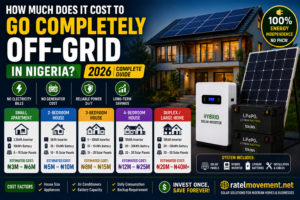
With rising electricity tariffs and expensive generator fuel, many Nigerians are searching for the cheapest solar system that can reliably power their homes.
The good news is that you don’t need a ₦10 million solar installation to start enjoying solar energy.
Today, there are affordable solar systems that can power:
- Lighting
- Fans
- TVs
- Routers
- Phone charging
- Small refrigerators
The key is choosing a system that matches your budget and electricity needs.
This guide explains the cheapest solar setups available for Nigerian homes in 2026.
What Is the Cheapest Solar System?
A solar system consists of four major components:
- Solar Panels
- Inverter
- Battery
- Installation Materials
The cheapest systems usually have:
- Smaller battery storage
- Fewer solar panels
- Lower inverter capacity
However, they can still provide useful daily backup.
Cheapest Solar System for Basic Lighting
Suitable For
- Single rooms
- Student apartments
- Small shops
Recommended Setup
- 1kVA Hybrid Inverter
- 2kWh–3kWh Lithium Battery
- 2–4 Solar Panels
Can power:
✅ LED Lights
✅ Phone Charging
✅ Router
✅ Small Television
Estimated Cost:
₦800,000 – ₦1.8 Million
Cheapest Solar System for a One-Bedroom Apartment
Recommended Setup
- 1kVA–2.5kVA Hybrid Inverter
- 5kWh Lithium Battery
- 4–6 Solar Panels
Can power:
✅ Lighting
✅ Television
✅ Fans
✅ Router
✅ Small Refrigerator
Estimated Cost:
₦1.5 Million – ₦3.5 Million
This is one of the most popular entry-level solar systems in Nigeria.
Cheapest Solar System for a Two-Bedroom House
Recommended Setup
- 2.5kVA Hybrid Inverter
- 5kWh Lithium Battery
- 4–8 Solar Panels
Can power:
✅ Refrigerator
✅ Television
✅ Fans
✅ Lighting
✅ Internet Equipment
Estimated Cost:
₦2.5 Million – ₦4.5 Million
Read:
How Many Solar Panels Do I Need for a 2-Bedroom House in Nigeria?
Cheapest Solar System for a Three-Bedroom House
Recommended Setup
- 5kVA Hybrid Inverter
- 10kWh Lithium Battery
- 8–12 Solar Panels
Can power:
✅ Refrigerator
✅ Freezer
✅ Multiple TVs
✅ Fans
✅ Water Pump (limited use)
Estimated Cost:
₦4 Million – ₦8 Million
Read:
How Big of a Solar System Do I Need for My House in Nigeria?
Cheapest Solar System for a Four-Bedroom House
Recommended Setup
- 5kVA–10kVA Hybrid Inverter
- 10–15kWh Lithium Battery
- 10–15 Solar Panels
Can power:
✅ Most household appliances
✅ Refrigerators
✅ Freezers
✅ Entertainment Systems
Estimated Cost:
₦6 Million – ₦12 Million
Cheapest Solar System With Air Conditioner
Air conditioners significantly increase costs.
Recommended Setup
- 5kVA Hybrid Inverter
- 10kWh Lithium Battery
- 10–12 Solar Panels
Suitable for:
✅ One 1HP Inverter AC
Estimated Cost:
₦4 Million – ₦8 Million
Read:
Best Solar Setup for a 1HP, 1.5HP, and 2HP Air Conditioner
Cheapest Lithium Battery Setup
For most homes, the most affordable practical lithium battery size is:
5kWh Lithium Battery
Advantages:
✅ Affordable entry point
✅ Expandable later
✅ Good backup performance
Suitable for:
- Apartments
- Small homes
- Shops
Cheapest Inverter Options
1kVA Inverter
Suitable for:
- Single rooms
- Small apartments
2.5kVA Inverter
Suitable for:
- Small family homes
5kVA Inverter
Suitable for:
- Most Nigerian households
Read:
1kVA vs 2.5kVA vs 5kVA Solar Systems: Which One Do You Need?
Solar Panel Requirements
Typical recommendations:
| System Size | Solar Panels |
|---|---|
| 1kVA | 2–4 Panels |
| 2.5kVA | 4–8 Panels |
| 5kVA | 8–12 Panels |
| 10kVA | 12–20 Panels |
Modern 550W–700W solar panels provide better value than older low-wattage panels.
Cheapest Solar Setup by Budget
Budget: ₦1 Million
Possible Setup:
- Basic Lighting System
- Small Battery
- Few Solar Panels
Can power:
✅ Lights
✅ Phone Charging
Budget: ₦2 Million
Possible Setup:
- 1kVA Hybrid Inverter
- Small Lithium Battery
Can power:
✅ Lights
✅ TV
✅ Fan
Budget: ₦3–5 Million
Possible Setup:
- 2.5kVA–5kVA System
Can power:
✅ Refrigerator
✅ Television
✅ Fans
✅ Lighting
Budget: ₦5–10 Million
Possible Setup:
- 5kVA–10kVA System
Can power:
✅ Most household appliances
How to Save Money on Solar Installation
Start Small
Install a system that meets your current needs.
Expand later if necessary.
Use Lithium Batteries
Although initially more expensive, they usually last much longer.
Choose Hybrid Inverters
They allow future expansion.
Avoid Oversizing
Buying more capacity than you need increases costs unnecessarily.
Common Mistakes When Looking for the Cheapest Solar System
Buying Based on Price Alone
Very cheap systems often use low-quality components.
Ignoring Battery Capacity
Many homeowners focus only on inverter size.
Using Too Few Solar Panels
This causes poor charging performance.
Choosing Poor-Quality Installers
Installation quality affects system performance and lifespan.
Recommended Cheapest Setup for Most Nigerians
If you want the best balance between cost and performance:
Recommended System
- 2.5kVA Hybrid Inverter
- 5kWh Lithium Battery
- 4–6 Solar Panels
Can power:
✅ Refrigerator
✅ Television
✅ Fans
✅ Lighting
✅ Internet Equipment
Estimated Cost:
₦2.5 Million – ₦4 Million
This is one of the most practical entry-level solar systems available in Nigeria today.
Frequently Asked Questions
What Is the Cheapest Solar System Available?
Basic lighting systems can start below ₦1 million.
Is a 5kWh Battery Enough?
Yes.
For many small homes and apartments, it provides adequate backup.
Can I Upgrade Later?
Yes.
Most modern hybrid systems are expandable.
Is Lithium Better Than Tubular Batteries?
Generally yes.
Lithium batteries offer longer lifespan and better performance.
What Is the Best Budget Solar System?
For most Nigerians:
2.5kVA inverter + 5kWh lithium battery + 4–6 solar panels
offers the best value.
Final Thoughts
The cheapest solar system for a Nigerian home depends on your electricity needs and budget.
For small homes, a 1kVA or 2.5kVA system with a 5kWh lithium battery offers an affordable entry point into solar energy.
For larger homes, a 5kVA system with 10kWh battery storage provides significantly more backup and appliance support.
The most important goal is to choose a system that matches your actual energy consumption while leaving room for future expansion.