A 5kVA hybrid inverter is often considered the sweet spot for Nigerian homes.
It is powerful enough to run essential household appliances, support lithium batteries, integrate solar panels, and provide reliable backup power during grid failures.
However, choosing the right 5kVA inverter is not easy.
The Nigerian market is flooded with brands such as Deye, Growatt, Felicity, Luxpower, SRNE, and Must. While many claim to be the best, their performance, reliability, support, and long-term value can vary significantly.
This guide compares the best 5kVA hybrid inverters available in Nigeria and helps you choose the right one for your home or business.
What Is a 5kVA Hybrid Inverter?
A hybrid inverter combines:
- Solar inverter
- Battery charger
- Grid charger
- Inverter system
into one unit.
Unlike traditional inverters, hybrid models can intelligently switch between:
- Solar power
- Battery power
- Grid electricity
- Generator power
This flexibility makes them ideal for Nigeria’s unstable power supply environment.
Why 5kVA Is Popular in Nigeria
A properly sized 5kVA system can typically support:
- Lights
- Fans
- Televisions
- Refrigerators
- Deep freezers
- Routers
- CCTV systems
- Moderate air-conditioner usage
Many homeowners upgrading from smaller systems eventually discover that a 5kVA setup provides a good balance between performance and affordability.
If you’re unsure whether a 5kVA system is suitable, compare the differences in 1kVA vs 2.5kVA vs 5kVA solar systems.
How We Ranked These Inverters
The rankings below consider:
- Reliability
- Lithium battery compatibility
- Solar charging performance
- Monitoring features
- Local availability
- Installer feedback
- After-sales support
- Value for money
1. Deye 5kVA Hybrid Inverter — Best Overall
Deye has become one of the fastest-growing hybrid inverter brands in Nigeria.
The company is particularly respected for hybrid functionality, battery integration, monitoring features, and durability in hot environments.
Pros
- Excellent lithium battery compatibility
- Strong solar charging performance
- Reliable mobile monitoring
- Excellent for future expansion
- Performs well in Nigerian weather
Cons
- Higher upfront cost
Best For
- Homeowners planning long-term solar investments
- Lithium battery systems
- Premium residential installations
Estimated Price (2026)
₦650,000 – ₦1.2 Million+
2. Growatt SPF 5000TL HVM
Growatt remains one of the most widely installed inverter brands globally and is particularly popular in Nigeria’s residential solar market. Growatt’s 5kVA models support lithium batteries, mobile monitoring, and hybrid operation.
Pros
- Strong reputation
- Good lithium support
- Excellent monitoring platform
- Competitive pricing
Cons
- Firmware updates occasionally require attention
Best For
- Residential homes
- Small businesses
- Mid-range solar systems
Estimated Price
₦500,000 – ₦900,000+
3. Felicity 5kVA Hybrid Inverter
Felicity has built a massive presence in Nigeria because of affordability and wide dealer support. Their hybrid inverters include built-in MPPT technology and flexible charging options.
Pros
- Affordable
- Widely available
- Good local support
- Easy to maintain
Cons
- Not as feature-rich as premium brands
Best For
- Budget-conscious homeowners
- Residential installations
Estimated Price
₦450,000 – ₦800,000+
4. Luxpower 5kVA Hybrid Inverter
Luxpower has developed a strong reputation among installers for value and reliability.
Pros
- Good lithium integration
- Strong monitoring features
- Competitive pricing
Cons
- Smaller support network compared to Growatt or Felicity
Best For
- Homes using lithium batteries
- Mid-range solar installations
5. SRNE 5kVA Hybrid Inverter
SRNE has gained popularity because of affordability and reliability under African operating conditions. Their products are increasingly used in Nigerian homes and businesses.
Pros
- Good value for money
- Stable charging performance
- Growing installer support
Cons
- Smaller dealer network
Best For
- Budget and mid-range installations
Comparison Table
| Feature | Deye | Growatt | Felicity | Luxpower | SRNE |
|---|---|---|---|---|---|
| Lithium Battery Support | Excellent | Excellent | Good | Excellent | Good |
| Mobile Monitoring | Excellent | Excellent | Good | Excellent | Good |
| Expansion Capability | Excellent | Good | Moderate | Good | Good |
| Nigerian Availability | Good | Excellent | Excellent | Moderate | Moderate |
| Value for Money | Excellent | Excellent | Excellent | Good | Good |
| Premium Features | Excellent | Good | Moderate | Good | Moderate |
How Many Batteries Does a 5kVA Inverter Need?
This depends on:
- Daily consumption
- Battery type
- Backup duration
Many homeowners incorrectly size their battery banks.
Before purchasing batteries, review how many batteries are needed for a 5kVA inverter to avoid costly mistakes.
You should also understand how to calculate battery capacity for your solar system before finalizing your battery purchase.
Which Lithium Batteries Work Best With 5kVA Hybrid Inverters?
Most modern 5kVA hybrid inverters support:
- Dyness
- Pylontech
- Deye ESS
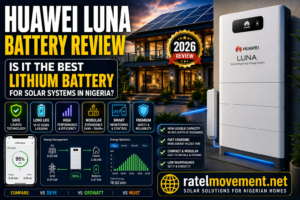
- Huawei LUNA
- Felicity Lithium
For a detailed comparison, see our guide on the best lithium batteries for solar systems in Nigeria.
What Solar Panels Should You Pair With a 5kVA Inverter?
The answer depends on your energy usage.
Most residential 5kVA systems use between:
- 8–14 solar panels
depending on panel wattage.
Homeowners should compare their needs with how many solar panels are needed for a 3-bedroom house in Nigeria.
Common Mistakes When Buying a 5kVA Inverter
Buying Based on Price Alone
Cheaper inverters often become more expensive over time due to repairs and poor efficiency.
Ignoring Battery Compatibility
Not every inverter communicates properly with lithium batteries.
Undersizing the Solar Array
A powerful inverter cannot compensate for insufficient solar generation.
Use the solar system sizing calculator for Nigerian homes before purchasing equipment.
Ignoring Future Expansion
Many homeowners eventually add:
- Air conditioners
- Freezers
- Additional appliances
Future growth should be considered during initial system design.
Frequently Asked Questions
Which 5kVA inverter is best in Nigeria?
Deye currently stands out as one of the strongest overall options because of its hybrid features, lithium compatibility, and reliability.
Is Growatt better than Felicity?
Growatt generally offers more advanced monitoring and ecosystem support, while Felicity often provides better affordability.
Can a 5kVA inverter run an air conditioner?
Yes, depending on the air-conditioner size and overall system design.
Before installation, review how to size solar panels for air conditioners in Nigeria.
How much does a good 5kVA hybrid inverter cost in Nigeria?
Quality models generally range between ₦450,000 and ₦1.2 million or more depending on brand and features.
Final Thoughts
For most Nigerian homeowners, a 5kVA hybrid inverter represents the ideal balance between performance, flexibility, and affordability.
If budget allows, Deye remains one of the strongest overall choices. Growatt follows closely behind for residential users seeking reliability and monitoring features. Felicity continues to offer excellent value for homeowners looking for a more affordable entry point into solar energy.
The most important lesson is this: choosing the right inverter is only one part of the equation. Proper battery sizing, solar panel sizing, and overall system design will ultimately determine how well your investment performs over the next decade.